
Cold or Compression Therapy – Which is Better for You?
Magdalena Bürk
Recovery is no longer just a trend. It's an integral part of modern training planning.
Two methods dominate the discussion: cold therapy and compression therapy. Both are booming, both offer real benefits, and both are often used incorrectly.
This article shows you how both methods work, when each is beneficial, and whether a combination offers even more advantages.
-
Ice Tub Pro
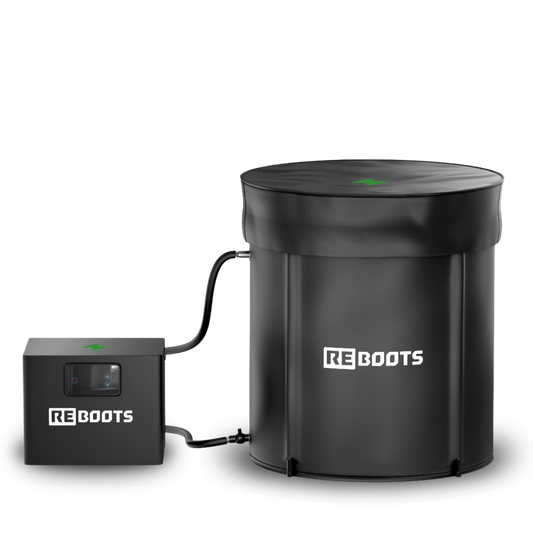
Regular price CHF 1,048.00Regular priceUnit price per- Combination of Ice Tub & cooler
- Temperature setting up to 4 °C
- 7-Layer Insulation
Cold therapy
It doesn't get cooler than this.
How Cold Affects the Body
Cold is a powerful stimulus. The body reacts immediately: blood vessels constrict, nerve activity changes, and metabolic processes slow down locally.
After the cold stimulus, a counter-reaction follows. Vessels reopen, and blood flow increases. This cycle can help improve the subjective feeling of recovery and reduce sensations of swelling.
Typical Applications
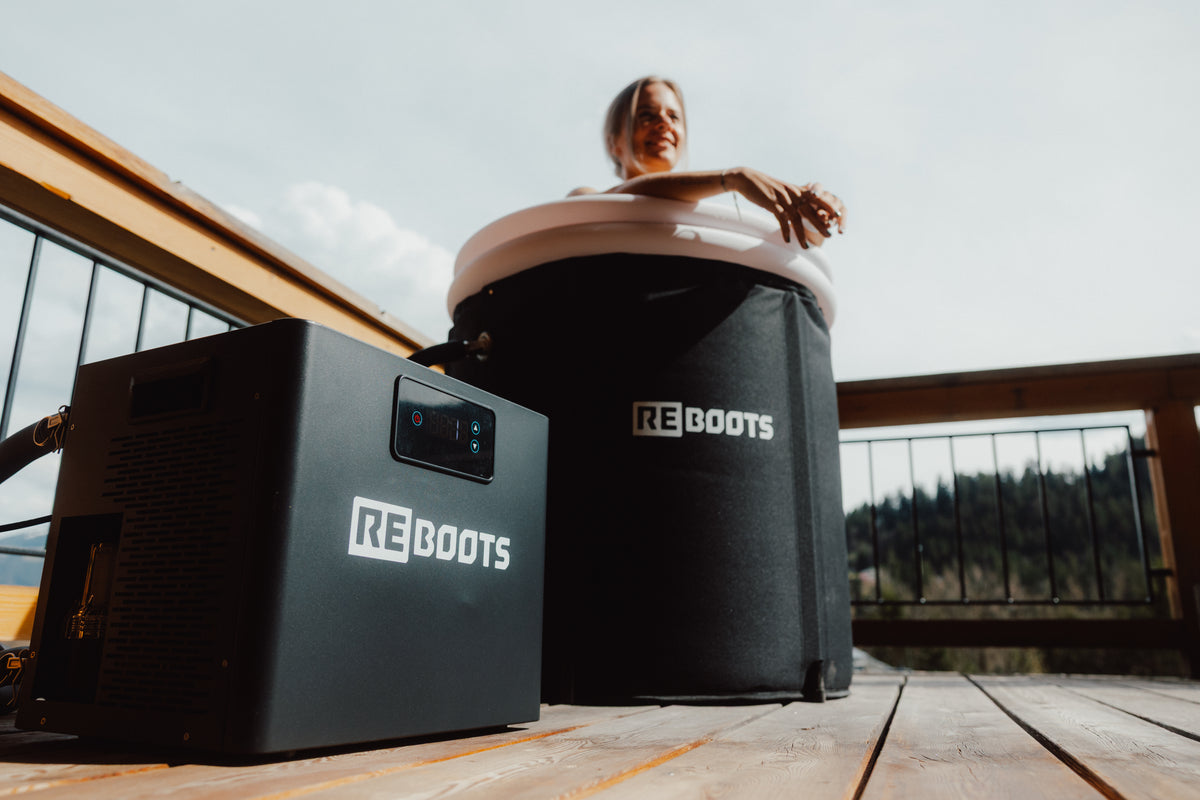
Ice baths and cold plunges are the most well-known forms. The body is immersed in cold water, providing a holistic stimulus.
Cold packs apply localized cold, for example, directly after exertion on a specific area. Cryotherapy uses extremely cold air in special chambers and is especially common in professional sports.
Benefits of Cryotherapy

Reduces muscle soreness
Speeds up your recovery after intense exertion
Improves subjective recovery perception & your mental strength

Reduces inflammation and swelling
The Ultimate Trend
ICE BATHING
Ice bathing is more than just a trend. It's considered one of the most well-researched methods for recovery in sports. Just a few minutes in cold water can help enhance the feeling of recovery and reduce swelling sensations after intense exertion. No wonder professional athletes and biohackers worldwide rely on this method.
In this blog article, you'll find everything you need to know about ice bathing: how it works, what to watch out for, and how to effectively integrate it into your Recovery routine.
Let the magic happen
HOW DOES COMPRESSION MASSAGE WORK?
Intense training challenges your muscles – stiff legs and the risk of injuries increase.
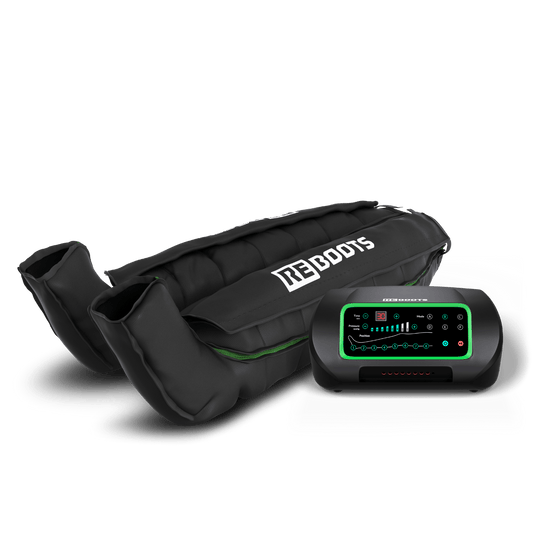
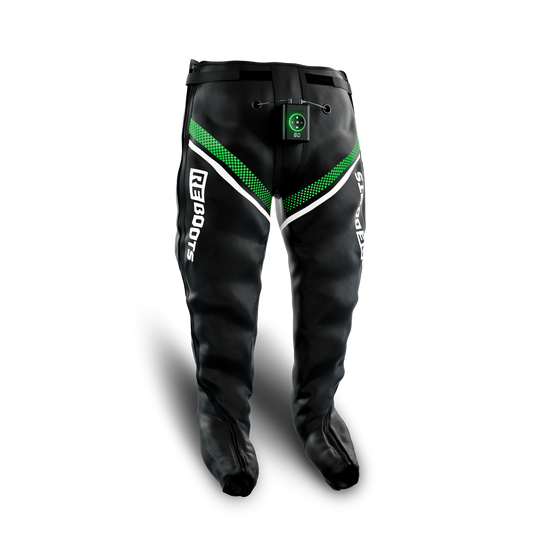
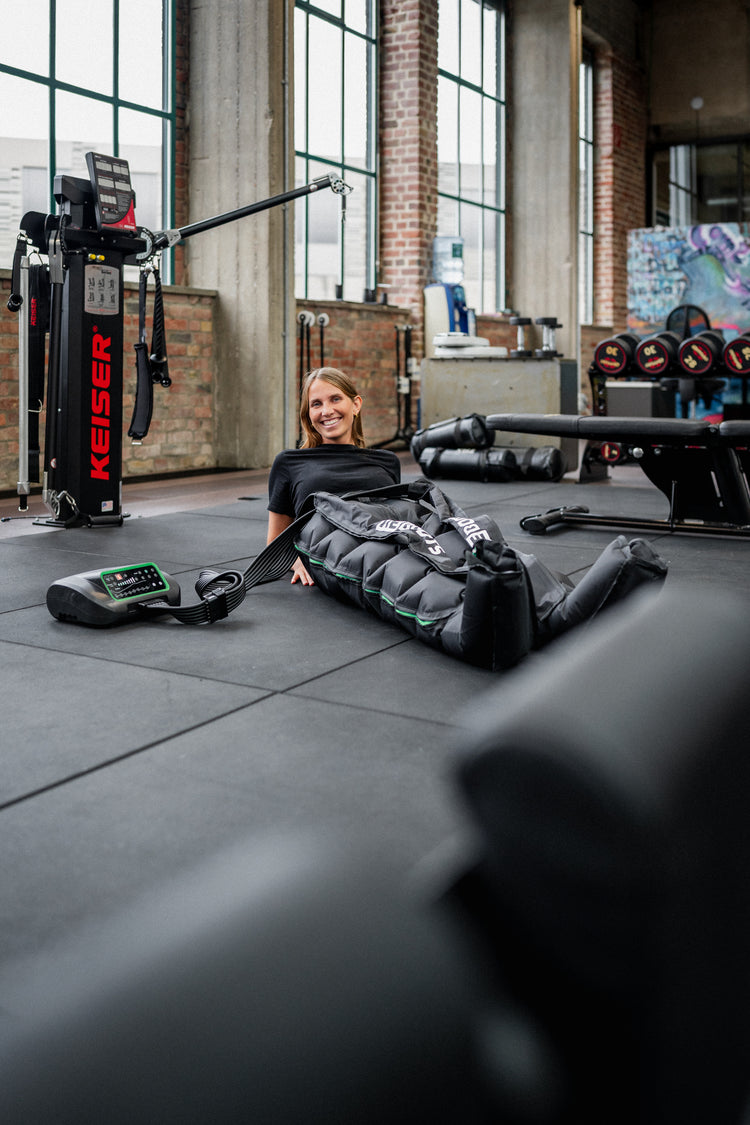
Compression massage uses air chambers that inflate and apply pressure to your legs in a set sequence – from the feet upwards, in a pumping motion. This sequential compression mimics manual lymphatic drainage and supports the return flow of blood and lymphatic fluid. Waste products like lactate are removed more quickly, and fresh blood flows in.
Science. Technology. Progress.
Recovery Meets Innovation
Reboots combines athletic passion with scientific precision. In collaboration with Innowearable, it has been demonstrated that Reboots' compression massage significantly accelerates neuromuscular recovery, providing a measurable advantage for performance and regeneration.
This claim is further validated by the ISPO Award 2024, which the Reboots Go X has won. An accolade that proves: Innovations at Reboots are not just promises, but reality.
Cold or Compression Therapy:
The Key Differences

Effects on Muscles and Inflammation
Cold acts quickly and locally. It can dampen acute irritation responses and temporarily reduce the perception of pain. Compression has a more systemic effect. It aids in the removal of metabolic waste and promotes circulation over a longer period.

Impact on Circulation and Lymphatic System
Cold initially reduces circulation before the response kicks it back into gear. Compression supports the return flow continuously and evenly, without exposing the body to a strong stimulus.

Recovery after Sports
Both methods can support recovery after training. Cold therapy is particularly suitable for immediate use right after intense exertion. Compression can be effectively used both immediately afterward and in the hours and days following.

Comfort and everyday usability
Cold therapy requires preparation, overcoming challenges, and often some logistical effort. In contrast, compression can be conveniently applied on the sofa or at the desk, without any active effort.

Costs and Effort
Simple cold applications like cold showers cost nothing. Professional systems like an Ice Tub Pro are an investment. Recovery Boots vary greatly in price but offer a long-term, reproducible, and easy-to-use solution.
Can both methods be combined?
Combination in Competitive Sports
Many professional athletes strategically use both methods in a coordinated manner. Cold therapy right after the competition, compression in the hours that follow. This is no coincidence, but a deliberate choice for maximum Recovery.
Recovery Routine for Amateur Athletes
The combination also makes sense for ambitious recreational athletes. A quick ice bath or cold shower right after training, followed by a 20 to 30-minute session with Recovery Boots, covers various aspects of recovery.
The methods complement each other because they have different effects and target different time frames.

Cold or compression therapy, which is truly better?
Conclusion
No method is universally better than the other. Cold and compression therapy each have their own strengths and target different aspects of recovery.
What matters is your personal goal, training load, and how your body feels. Those who know both methods and use them strategically have the greatest advantage.
And for those who are truly serious about Recovery: Combining them is often the most effective thing you can do for your body.
FAQs
What helps better against muscle soreness, cold or compression?
Both can enhance the subjective feeling of recovery after intense exertion. Cold therapy acts quickly and immediately, while compression can be used over a longer period. The combination is often the most effective.
Are Recovery Boots useful?
For everyone who exercises regularly and wants targeted recovery, Recovery Boots are a valuable addition. They are easy to use and fit well into daily life.
How often should you use cold therapy?
Two to four times a week is a good guideline. Consistency is more important than intensity.
Can compression reduce inflammatory responses?
Compression therapy can help reduce feelings of swelling and tension, and support the removal of metabolic waste.
What do professional athletes use?
Many professional athletes rely on a combination of cold and compression therapy, complemented by sleep, nutrition, and active recovery. Both methods have a solid place in modern recovery routines.


