
Compression Therapy in Physiotherapy Practice: Applications and Practice Integration
Magdalena Bürk
Compression therapy has become an integral part of the extended treatment offerings for many physiotherapy practices. It aids in lymphatic drainage, recovery, and sports physiotherapy, and can be effectively used alongside manual therapy.
This article highlights where compression therapy can be effectively applied in practice and what practice owners should consider when integrating it.
-
Recovery Seat
Regular price € 279,00Regular priceUnit price per€ 279,00Sale price € 279,00- Mobile thanks to integrated, rechargeable pump
- Ergonomic Design
-
Arm Cuffs 2.0 Bundle (Accessories)
Regular price From € 239,00Regular priceUnit price per- Compatible with Go Lite, Go, One, One Lite & One Pro

Let the magic happen
HOW DOES COMPRESSION MASSAGE WORK?
Intense training challenges your muscles – stiff legs and the risk of injuries increase.
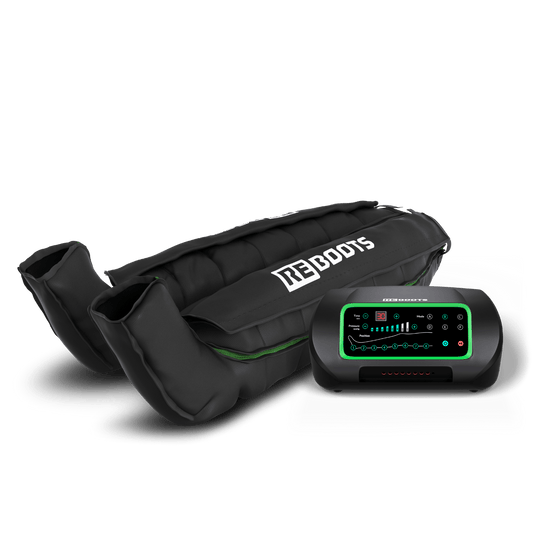
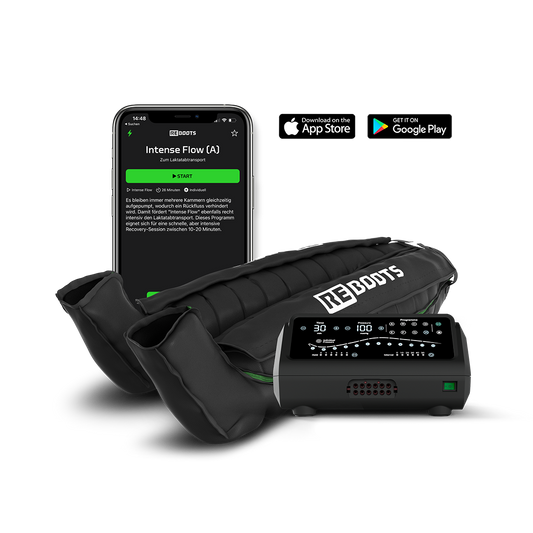
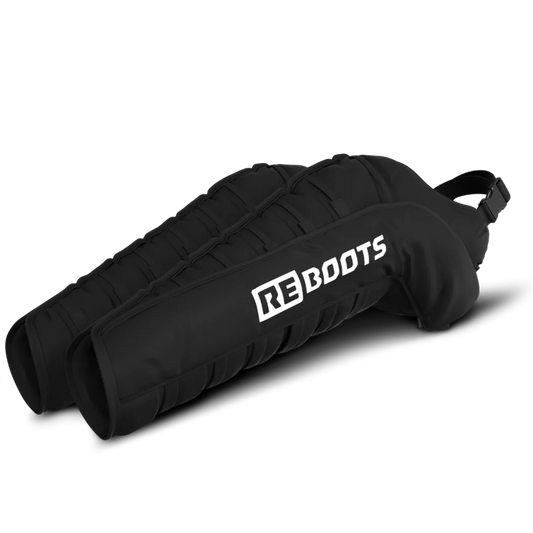
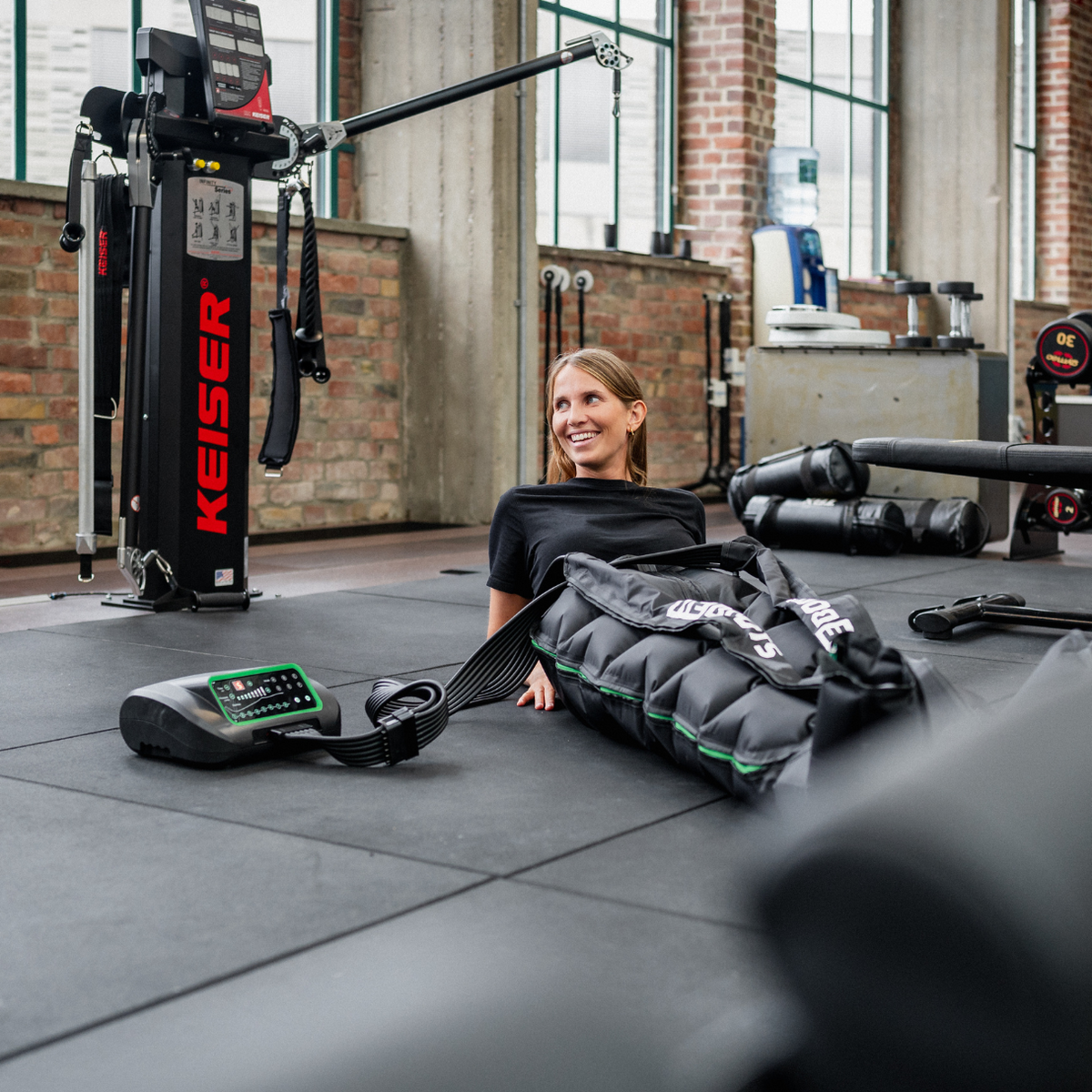
Compression massage uses air chambers that inflate and apply pressure to your legs in a set sequence – from the feet upwards, in a pumping motion. This sequential compression mimics manual lymphatic drainage and supports the return flow of blood and lymphatic fluid. Waste products like lactate are removed more quickly, and fresh blood flows in.
Who is compression therapy suitable for in practice?
Compression therapy can be used in various areas of physical therapy practice. Its range extends from traditional rehab to sports physiotherapy.
It is particularly often used for patients with edema, after injuries or surgeries, and in sports to support recovery. It is also increasingly being offered as a complementary option alongside traditional treatments.
Applications in Physiotherapy Practice
Compression therapy as a self-pay option

For many practices, compression therapy is more than just an additional service. It opens up an extra revenue stream through self-pay services, independent of statutory health insurance rates.

Ø 30 min.
typical usage duration
10-session pass
common billing model
A session of about 30 minutes can often be billed through 10-session cards or package deals. This makes integration economically feasible and easy to communicate to patients.
Practice Integration: How to Easily Incorporate Compression Therapy
-
Parallel application during other therapy sessions
The biggest advantage in everyday practice: The devices operate independently. Therapists apply the cuffs, start the session, and can attend to other patients in the meantime.
-
Time and Personnel Savings
Especially with a shortage of skilled workers and a tight schedule, this is a relevant factor. Treatment capacity can increase without the need for additional staff.
-
Hygiene and Daily Practice
For daily use in practice, hygienic, easy-to-clean cuffs are important. A simple switch between patients should be possible without much effort.

What physiotherapy practices should consider when choosing
CE marking as a medical device
01
A CE marking as a medical device is a key criterion for many practices. It provides clarity on the permissible intended use and regulatory safety in everyday practice.
Research situation
02
The research landscape also plays a role. Practices are increasingly ensuring that manufacturers have their devices evaluated through independent studies, rather than relying solely on marketing promises.
Operation, Training, and Service
03
Easy operation, training, and service are other important factors. A technology that intuitively integrates into existing processes saves time and hassle in the long run.

Scientifically proven
REBOOTS SPEED UP RECOVERY
The study in collaboration with Innowearable shows that our compression massage regenerates the neuromuscular nervous system more effectively than passive recovery—for faster coordination, greater resilience, and improved training readiness.
FAQs
Is compression therapy in physiotherapy practice a medical device?
This depends on the specific device. Some models are certified as medical devices with CE marking, while others fall into the wellness or Recovery category. Practices should carefully consider this when making their selection.
Can compression therapy be billed in practice?
Compression therapy is often offered as a self-pay service, for example through 10-session cards. The exact billing options depend on the specific practice concept and the device used.
How much time does an application take in practice?
A typical session lasts about 20 to 30 minutes. Since the application runs independently, therapists can use this time for other treatments.
Can compression therapy be used alongside other treatments?
Yes, that's one of the biggest advantages in everyday practice. While the cuffs are working, therapists can simultaneously attend to other patients.
Conclusion
Compression therapy can provide physiotherapy practices with a valuable addition to manual treatment, from supporting edema to sports physiotherapy. At the same time, it can be easily integrated into daily practice and offers additional self-pay options.
Those who focus on certified quality, ease of use, and transparent research make an informed decision for their practice.
Excellent and documented
Awards & Studies
The Reboots Go X was awarded the ISPO Award 2024 for outstanding innovation.
An independent study also confirms the positive effects of Reboots on neuromuscular regeneration.


