
Padel Performance: What Pros Know About Recovery That You Don't Yet
Magdalena Bürk
Padel is booming – and the strain is increasing
Padel is growing faster than any other racket sport worldwide. What many underestimate: The sport is physically demanding – explosive stops, quick direction changes, constant strain on the legs.
The problem: Many invest a lot of time in training, but hardly any in recovery. That's exactly the difference between playing well and playing consistently.
PADEL FAVORITES
-
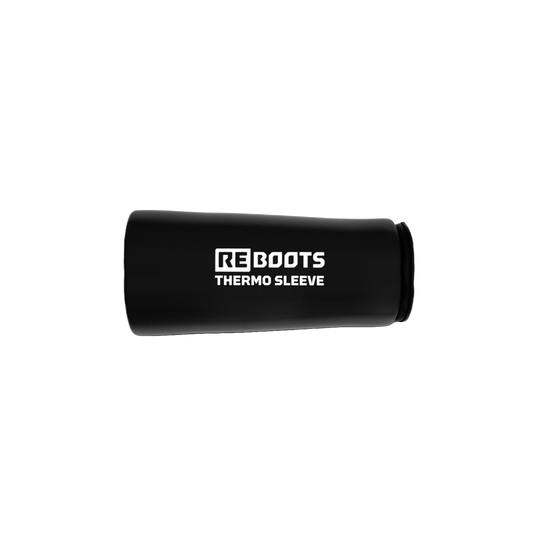
Thermal Sleeve Short
Regular price € 45,00Regular priceUnit price per- 360° temperature effect
- High-quality thermo gel pad
- Suitable for arms & legs
-
Arm Cuffs 2.0 Bundle (Accessories)
Regular price From € 239,00Regular priceUnit price per- Compatible with Go Lite, Go, One, One Lite & One Pro
-
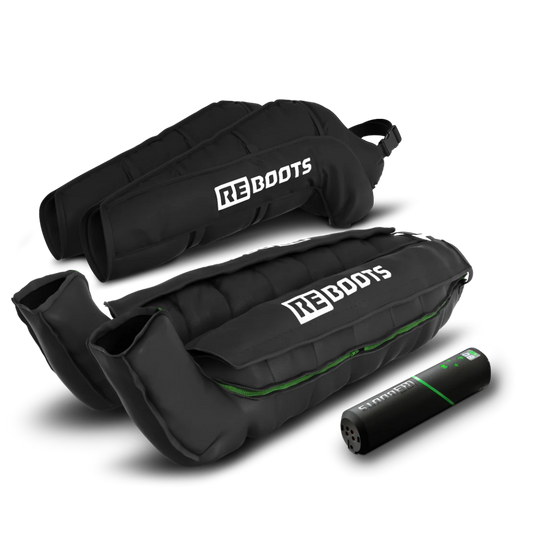
Full Body Regeneration Bundle for On-the-Go
Regular price € 747,00Regular priceUnit price per€ 888,00Sale price € 747,00- Compression massage for arms & legs
- 180 mmHg maximum pressure
- 1.5h battery life
Sale -15%


What Padel Pros Do Differently
If you look at the routines of professional padel players, you'll quickly notice: Most of them approach Recovery with the same dedication as their training. Regeneration is part of the plan—equally alongside technique, tactics, and fitness.
This is especially true on tour, where matches pile up and breaks are short. Those who don't actively recover there don't lose because of poor play—but because of a tired body.
Why Padel Recovery is So Crucial
High Strain on Legs and Muscles
Padel is a sport of short, intense actions. Explosive starts, abrupt stops, constant reaction movements. Thighs, calves, and knees are constantly under pressure.
The tricky part: Each individual strain seems harmless. Accumulated over several sessions, they can lead to overuse and injuries if not actively counteracted.
More Matches, Less Rest
The problem intensifies at tournaments. Multiple matches in one day, short breaks in between, back on the court the next morning.
If you don't engage in active padel recovery after match one, you start match two already at a physical disadvantage. No matter how well you are tactically prepared.

Recovery is part of my training
"Recovery is not a luxury. It's an essential part of my preparation. If I don't recover well, I can't play well. It's that simple."
–Pablo Cardona, padel professional from Mérida, Spain
The most important recovery methods in padel

Active Recovery
No abrupt stop after the last point. Five to ten minutes of easy jogging help the body to cool down and break down lactate. Complemented by mobility exercises and stretching, flexibility is maintained and the risk of injury decreases.

Nutrition and Hydration
The window right after the match is crucial. Electrolytes and protein should be consumed within 30 to 45 minutes. Electrolytes replace lost minerals, and protein kickstarts muscle repair. If you miss this, you unnecessarily delay recovery.

Sleep
Underestimated, yet the strongest Recovery factor of all. During deep sleep, the body repairs muscle fibers, reduces inflammation, and recovers the nervous system. Seven to nine hours are not a recommendation for active players. They are a must.

Compression massage
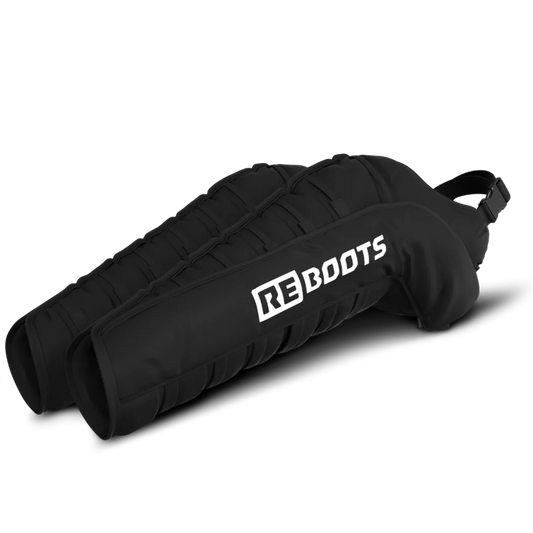
Especially in tournament settings, compression massage has established itself as one of the most effective Recovery approaches. Compression boots treat the legs with dynamic air pressure. Blood circulation is stimulated, metabolic waste is removed, and muscle fatigue is noticeably reduced. A session lasts 20 to 30 minutes and can easily be incorporated between two matches.
Compression massage in padel and why it is so effective
The mechanics are simple: Sequential air pressure moves from the feet upwards through the legs. This improves circulation in the deep muscles and speeds up the removal of lactate and other waste products.
For padel players at tournaments, this means: 20 minutes of Reboots after match one, and you approach match two with noticeably fresher legs.
No massage therapist. No long stretching. Just put it on, lean back, recover.

How to integrate Recovery into your padel training
Start Recovery immediately after the match
The first 30 minutes after the game are the most crucial time window. Those who cool down, drink, and treat their legs now lay the foundation for quick recovery. Jumping straight into the car wastes this time.
Between matches: short, effective sessions
20 minutes of compression Recovery boots plus some food and drink can achieve more than an hour of passive sitting. This isn't secret knowledge. It's pro routine.
In everyday life: beneficial even without training
Padel recovery is worthwhile even on non-playing days. Regular Recovery sessions improve overall recovery ability and make the body more resilient in the long run.
Conclusion:
Padel Performance equals Training plus Recovery
If you want to play better, you need to recover better. That's the insight that professionals around the world live by every day.
More training without Recovery leads to stagnation and injury. Training with targeted regeneration leads to real, sustainable performance improvement.
The formula is simple. So is the execution.
#RECOVER TO RISE.


