
Contraindications of Compression Therapy: When It Should Not Be Used
Magdalena Bürk
Compression massage can be a valuable part of your Recovery – after sports, long days, or when you have heavy legs. However, it's important to note: compression isn't suitable for every situation. If you have pre-existing conditions, pain, or unclear symptoms, you should seek medical advice before use.
This article helps you get oriented and does not replace personal medical assessment.
What are contraindications?
Contraindications are reasons why an application should not be used or only with special caution.
With compression, the main question is: Is pressure on your legs, hips, or buttocks beneficial in your case – or could it worsen symptoms?
Important: This is not the same as side effects. Side effects can occur during use, such as pressure marks or unpleasant tingling. Contraindications exist beforehand, for example, due to certain illnesses or unexplained symptoms.

When should you not use compression massage?
Compression massage should not be used if you have acute or unexplained issues. This especially includes situations where the pressure on the tissue cannot be safely assessed.
This includes:
- severe circulation disorders
- serious heart problems
- acute inflammations
- open wounds
- severe pain
- sudden swelling
- unexplained skin changes
- known blood clots or suspicion of them
In such cases, the rule is: Get it checked first, then decide.
This applies not only to Recovery Boots or Pants but also to compression stockings. Anyone wondering when not to wear compression stockings should take the same warning signs seriously.

Compression Therapy Risks: What You Should Watch Out For
Compression should feel comfortable and relieving. It can be noticeably felt, but never painful.
Possible warning signs during use are:
- Pain
- Numbness
- Tingling
- Pale or bluish skin
- Severe redness
- Pressure marks
- Burning sensation on the skin
- Increasing feeling of tension
If any of these signs occur, stop the application immediately as a precaution. Use compression again only when the symptoms have completely subsided and there are no health reasons against it.
Compression Therapy Precautions in Everyday Life
Compression should support your Recovery – not cause additional stress. So remember: Start consciously, listen to your body, and only increase the intensity if it feels good.
Be particularly cautious if your skin reacts quickly to irritation, your legs often swell, or you have reduced sensation in your feet and legs. Also, if you have diabetes, are on certain medications, have prolonged immobility, or after injuries, you shouldn't just start using it "on a whim."
In such cases, compression massage is not automatically ruled out. However, it should be medically clarified beforehand – especially if you want to use it regularly.

Contraindications Compression Socks and Recovery Boots: Are There Differences?
The basic rule is the same: If pressure is not suitable, you should not apply compression—whether it's compression socks, Boots, or Pants.
The difference lies in the method of application.
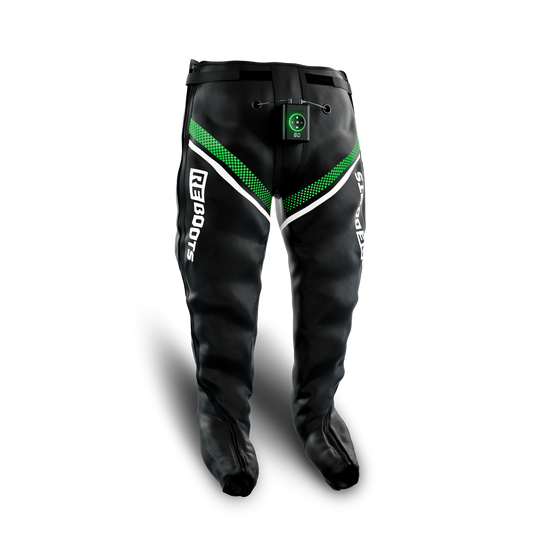
Compression socks create constant pressure. Recovery Boots and Recovery Pants work with alternating pressure through air chambers.
This can make the application more comfortable and personalized. However, adjustable pressure does not replace medical consultation for pre-existing conditions.
When Reboots fits sensibly into your Recovery
Reboots is designed for athletic recovery and compression massage – not for treating illnesses.
This means: The products are especially suitable if you want to consciously recover after sports, long days, or intense exertion.
For example:
- after running training
- after cycling
- after strength training
- after competitions
- after long workdays
- as a regular part of your evening routine
-
 Sale -45%
Go X (refurbished)
Regular price From € 714,45Regular priceUnit price per€ 1.299,00Sale price From € 714,45- For athletes who want the maximum.
- 8 chambers per leg – all individually deactivatable
- Tubeless, battery-powered, app-controlled
Sale -45%



Compression Therapy Side Effects: What's Still Normal?
A light pressure, a massage sensation, or a brief warmth can be normal during use. Many users also find that their legs feel lighter or more relaxed afterward, which is a desired effect.
Pain, numbness, or severe skin reactions are not normal.
It's best to start with a low intensity and only increase if the application feels comfortable. More pressure doesn't automatically mean better Recovery.

How to Use Compression Massage Safely
Start with low intensity, choose the right size, and ideally use compression for 20 to 30 minutes per session. Do not use it on injured skin and stop immediately if you experience pain, numbness, or severe skin reactions. For the best Recovery, combine compression with plenty of fluids, exercise, sleep – and consult a doctor if you're unsure.
When should you seek medical advice?
Consult a doctor if you're unsure whether compression is suitable for you. This is especially important for:
- unexplained pain
- unilateral swelling
- shortness of breath or chest pressure
- known vascular issues
- heart problems
- diabetes
- skin injuries
- recent surgeries
- acute inflammations
Conclusion:
Use compression consciously and safely
Compression massage can be a valuable addition to your Recovery – if it suits you.
If you have pain, severe circulation problems, heart issues, open wounds, or unclear swelling, you should be cautious and consult before use.
For healthy, active people, Reboots can be an easy way to consciously integrate recovery into daily life.


